
The world of fungi is vast and fascinating, with Polyporus being one of the most intriguing types. This fungus has garnered significant attention in recent years due to its unique characteristics and diverse species.
Polyporus fungi have become a subject of interest among mycologists and nature enthusiasts alike. With its varied species, it offers a wealth of information for those looking to explore the realm of mycology.
In this article, we will delve into the captivating world of Polyporus, providing an overview of what readers can expect to learn about this fascinating fungus.
Key Takeaways
- Understanding the basics of Polyporus fungi
- Exploring the diverse species within the Polyporus genus
- Learning about the unique characteristics of Polyporus
- Discovering the significance of Polyporus in mycology
- Gaining insights into the role of Polyporus in the ecosystem
What is Polyporus?
Understanding Polyporus involves delving into its definition, characteristics, and its place within the fungal kingdom. Polyporus is a genus of fungi that has garnered significant interest due to its diverse species and unique characteristics.
Definition and Characteristics
Polyporus fungi are characterized by their porous structure, typically found on trees or decaying wood. They play a crucial role in the ecosystem by contributing to the decomposition process.
The characteristics of Polyporus include a variety of cap shapes and sizes, ranging from small, circular caps to larger, more irregular forms. The color can vary significantly among species, from white and cream tones to darker browns and grays.
“The diversity in Polyporus species is a testament to the complexity and richness of fungal life.”
| Characteristic | Description |
|---|---|
| Cap Shape | Varied, from circular to irregular |
| Color | Ranging from white to dark brown |
| Habitat | Typically on trees or decaying wood |
Classification in the Fungal Kingdom
Polyporus is classified within the Polyporaceae family, a group known for its diverse range of species. The classification of Polyporus involves understanding its phylogenetic relationships with other fungi.
The genus Polyporus encompasses a wide range of species, each with unique characteristics. The classification of these species is based on morphological features, genetic analysis, and ecological roles.
Some of the commonly recognized species within the Polyporus genus include Polyporus varius and Polyporus squamosus, known for their distinct appearances and habitats.
Types of Polyporus Species
The Polyporus genus encompasses a wide variety of species, each with unique characteristics. This diversity is reflected in their different habitats, growth patterns, and distinctive features. By exploring the various Polyporus species, we gain insight into their complexity and the roles they play in different ecosystems.
Commonly Found Species
Some of the most commonly found Polyporus species include Polyporus varius and Polyporus elegans. These species are widespread and can be found in various habitats, including forests and woodlands. They are known for their ability to grow on decaying wood, playing a crucial role in the decomposition process.
Rare and Unique Varieties
In addition to the common species, there are several rare and unique Polyporus varieties. For example, Polyporus umbellatus, also known as the umbrella polypore, is a rare species that grows in a distinctive umbrella-like shape. Another rare variety is Polyporus tuberaster, which is known for its ability to form large, tuberous structures.
These rare species are not only fascinating but also highlight the diversity within the Polyporus genus. Their unique characteristics and growth habits make them subjects of interest for mycologists and naturalists alike.
Habitat and Growth Conditions
Polyporus fungi thrive in diverse environments, and their growth is influenced by several key factors. Understanding these conditions is essential for appreciating the ecological role of Polyporus.
Preferred Environments
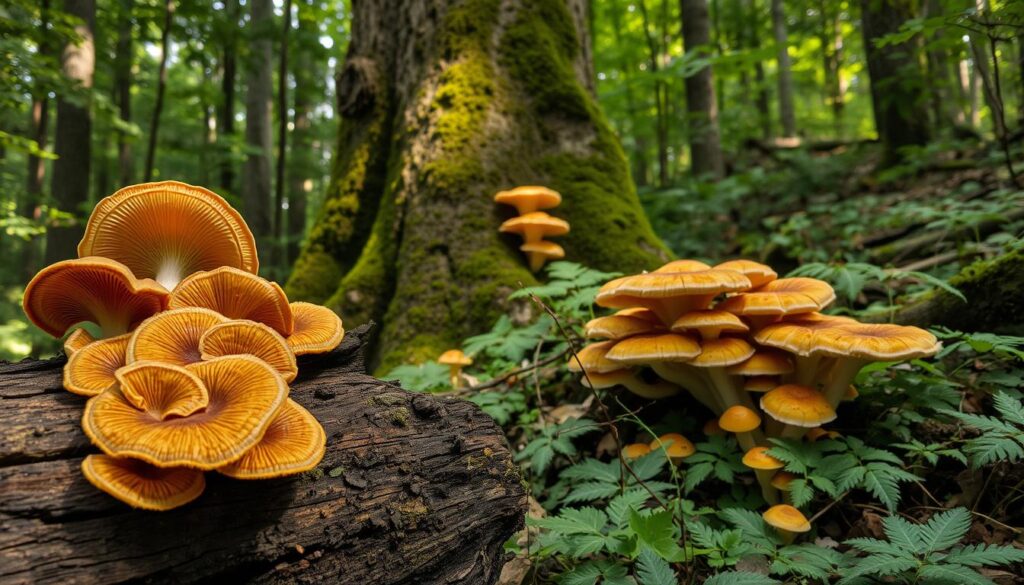
Polyporus species are found in various habitats, including forests, grasslands, and even urban areas. They typically thrive in environments with adequate moisture and suitable substrates such as decaying wood or other organic matter.
The preferred environments for Polyporus often feature:
- High humidity levels
- Presence of decaying organic matter
- Specific temperature ranges
Seasonal Growth Patterns
The growth of Polyporus is seasonal, with most species fruiting in the late summer to early fall. However, the exact timing can vary depending on the species and environmental conditions.
| Environmental Factor | Preferred Condition |
|---|---|
| Moisture Level | High humidity |
| Substrate | Decaying wood or organic matter |
| Temperature | Varied, often between 50°F to 70°F |
By understanding the habitat and growth conditions of Polyporus, we can better appreciate its role in ecosystems and its potential applications in various fields.
Importance in Ecosystems
The ecological significance of Polyporus cannot be overstated, as it contributes to nutrient cycling and forms symbiotic relationships with various organisms. This fungus plays a crucial role in maintaining the health and balance of ecosystems.
Nutrient Cycling
Polyporus is instrumental in the decomposition process, breaking down organic matter and recycling nutrients back into the soil. This process is essential for the nutrient cycle, as it makes nutrients available to other organisms, promoting healthy plant growth and maintaining soil fertility. The role of Polyporus in nutrient cycling is a prime example of its ecological importance.
As noted by a mycologist, “Fungi like Polyporus are key drivers of nutrient cycling, influencing the availability of nutrients for plants and other microorganisms.” This highlights the significance of Polyporus in ecosystems, where it facilitates the exchange of nutrients between different organisms and their environment.
Partnerships with Trees and Plants
Polyporus forms mycorrhizal relationships with trees and plants, creating a mutually beneficial partnership. In this symbiosis, Polyporus aids in the absorption of nutrients from the soil, while the trees and plants provide the fungus with carbohydrates produced during photosynthesis. This partnership enhances the resilience of both the fungus and the plants, contributing to a more robust ecosystem.
“The mycorrhizal network formed by fungi like Polyporus is a critical component of forest ecosystems, facilitating communication and nutrient exchange between trees.”
The partnerships between Polyporus and other organisms underscore the interconnectedness of ecosystems. By understanding these relationships, we can better appreciate the vital role that Polyporus plays in maintaining ecological balance.
Culinary Uses of Polyporus
Exploring the culinary uses of Polyporus reveals a world of gastronomic possibilities, from soups to stir-fries. This fascinating fungus has been a part of various cuisines, particularly in Asian cultures, where it’s valued for its unique flavor and nutritional benefits.
Edible Varieties
Among the many species of Polyporus, some are considered edible and are prized for their culinary value. Polyporus squamosus, for example, is known for its rich, earthy flavor and is often used in soups and stews. Another variety, Polyporus varius, is appreciated for its tender texture and is commonly used in stir-fries and sautés.
The nutritional profile of Polyporus mushrooms is also noteworthy. They are low in calories, rich in fiber, and contain a good amount of protein, making them an excellent addition to a healthy diet. Here’s a brief overview of their nutritional value per 100 grams:
| Nutrient | Amount | % Daily Value |
|---|---|---|
| Calories | 15 kcal | 1% |
| Protein | 2.5 g | 5% |
| Fiber | 1 g | 4% |
Cooking Tips and Recipes
Cooking with Polyporus is relatively straightforward, and it can be incorporated into a variety of dishes. To bring out its best flavor, it’s recommended to sauté or stir-fry it with some garlic and herbs. Here’s a simple recipe to get you started:
- 1 cup Polyporus mushrooms, sliced
- 2 cloves garlic, minced
- 1 tablespoon olive oil
- 1 teaspoon dried thyme
- Salt and pepper to taste
Sauté the garlic in olive oil until fragrant, then add the sliced Polyporus and thyme. Cook until the mushrooms are tender, season with salt and pepper, and serve hot.
Whether you’re a seasoned chef or a culinary novice, Polyporus mushrooms offer a versatile and delicious ingredient to experiment with. Their unique flavor and nutritional benefits make them a great addition to any meal.
Medicinal Properties
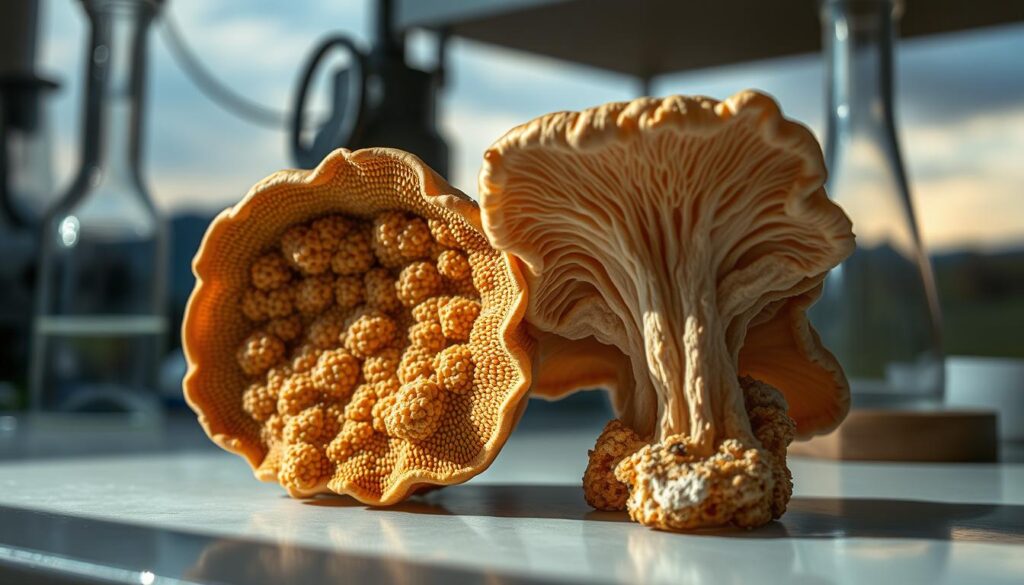
The medicinal properties of Polyporus have been harnessed in traditional herbal medicine, offering potential health benefits that are now being studied scientifically. For centuries, various cultures have utilized Polyporus species for their perceived therapeutic effects, ranging from immune system support to anti-inflammatory properties.
Traditional Uses in Herbal Medicine
In traditional herbal medicine, Polyporus has been used in a variety of ways to promote health and well-being. Some of the traditional uses include:
- Boosting the immune system
- Reducing inflammation
- Supporting digestive health
- Enhancing overall vitality
Key Species and Their Uses:
- Polyporus umbellatus: Used for its potential diuretic and anti-inflammatory properties
- Polyporus varius: Believed to support immune function
Scientific Research and Findings
Recent scientific studies have begun to validate the traditional uses of Polyporus, uncovering its bioactive compounds and their potential health benefits. Research has identified polysaccharides, polyphenols, and other compounds in Polyporus that may contribute to its medicinal properties.
Some of the key findings include:
- The antioxidant activity of Polyporus extracts
- The immunomodulatory effects of Polyporus polysaccharides
- The potential anti-cancer properties of certain Polyporus species
These findings highlight the potential of Polyporus as a source of new therapeutic agents, underscoring the importance of continued Polyporus research and Polyporus information dissemination.
Cultivation of Polyporus
For those interested in exploring the world of mycology, Polyporus cultivation is an exciting and accessible starting point. This fascinating fungus can be grown at home with the right conditions and care.
Growing Conditions for Cultivation
To successfully cultivate Polyporus species, it’s essential to replicate their natural habitat. Polyporus typically thrives in temperate forests, growing on decaying logs and stumps. For home cultivation, you can use a substrate such as straw, wood chips, or logs.
The ideal environment for Polyporus cultivation involves maintaining a consistent temperature between 55°F to 65°F (13°C to 18°C) and ensuring high humidity. Adequate light is also necessary, but direct sunlight should be avoided.
Tips for Home Cultivation
For successful home cultivation, start by preparing your substrate. Sterilize the material to prevent contamination from other fungi or bacteria. Inoculate the substrate with Polyporus spawn, and seal it in a breathable bag or container.
Maintaining the right conditions is crucial. Keep the substrate moist but not waterlogged, and ensure good air exchange. Polyporus can be grown on a variety of substrates, but logs are often preferred for their natural resemblance to the fungus’s wild habitat.
- Monitor temperature and humidity levels closely.
- Ensure adequate light without direct exposure to sunlight.
- Maintain cleanliness to prevent contamination.
By following these guidelines and tips, you can enjoy a successful Polyporus cultivation experience. Whether you’re interested in the culinary or medicinal aspects of Polyporus species, home cultivation offers a rewarding way to explore the world of mycology.
Environmental Impact
Understanding the environmental significance of Polyporus reveals its substantial contributions to soil quality and ecosystem diversity. This fungus plays a vital role in maintaining the balance of ecosystems, and its impact is multifaceted.
Contribution to Soil Health
Polyporus contributes to soil health by breaking down organic matter and recycling nutrients. This process enhances soil fertility and structure, making it more conducive for plant growth. The mycelium of Polyporus interacts with tree roots, forming symbiotic relationships that facilitate nutrient exchange.
Nutrient Cycling: Polyporus is involved in the decomposition process, releasing nutrients back into the soil. This nutrient cycling is crucial for maintaining soil health and supporting the growth of vegetation.
| Nutrient | Role in Soil Health |
|---|---|
| Nitrogen | Essential for plant growth and development |
| Phosphorus | Critical for root development and energy transfer |
| Potassium | Important for overall plant health and resistance to disease |
“The mycelium of fungi like Polyporus is a key component in the forest ecosystem, driving nutrient cycling and influencing soil structure.”
Biodiversity and Its Importance
Biodiversity is essential for maintaining the health and resilience of ecosystems. Polyporus, by contributing to soil health and forming symbiotic relationships with various plant species, plays a significant role in promoting biodiversity.
Ecosystem Services: The presence of Polyporus enhances ecosystem services, including air and water filtration, soil formation, and climate regulation. These services are vital for supporting life on Earth.
The importance of biodiversity cannot be overstated. It ensures that ecosystems remain robust and capable of recovering from disturbances. By maintaining a diverse range of species, including fungi like Polyporus, we can ensure the long-term health of our planet.
Challenges Facing Polyporus
The future of Polyporus is uncertain due to various environmental pressures. As a genus of fungi that plays a significant role in ecosystems, understanding these challenges is crucial for conservation efforts.
Threats from Habitat Loss
Habitat loss is one of the most significant threats to Polyporus species. As natural habitats are destroyed or degraded, the delicate balance of ecosystems is disrupted, affecting the fungi’s ability to survive. Deforestation and land conversion for agricultural purposes are major contributors to habitat loss, leaving Polyporus species without their preferred environments.
“The loss of biodiversity due to habitat destruction is a pressing issue that affects not just Polyporus, but entire ecosystems.” This quote highlights the broader implications of habitat loss on fungal populations and the ecosystem as a whole.
Climate Change Effects
Climate change poses another significant challenge to Polyporus. Changes in temperature and precipitation patterns can alter the growth conditions and distribution of these fungi. As a result, some species may find it difficult to adapt, leading to potential declines in their populations.
Research into Polyporus ecology has shown that these fungi are sensitive to environmental changes.
“Climate change is altering the distribution of fungi, including Polyporus, with potentially far-reaching consequences for forest ecosystems.”
Understanding these changes is essential for developing strategies to protect Polyporus and maintain ecosystem health.
To mitigate these challenges, it is crucial to continue Polyporus research and monitoring. By studying the impacts of habitat loss and climate change, scientists can develop targeted conservation strategies to protect these important fungi.
How to Identify Polyporus
The process of identifying Polyporus involves examining several key morphological traits and being aware of common lookalikes. Accurate identification is crucial for both amateur mycologists and seasoned researchers.
Visual Identification Tips
To identify Polyporus mushrooms, look for their distinctive cap shapes, which can range from circular to fan-shaped. The surface texture and coloration are also critical identifiers.
- Observe the cap’s size and shape.
- Note the color and any patterns or changes with age.
- Examine the pores or tubes underneath the cap.
- Check the stem’s presence, size, and attachment to the cap.
Different Polyporus species may have varying characteristics, such as the presence of a stem or the color of the spore print.
Common Mistakes to Avoid
When identifying Polyporus, it’s easy to confuse them with other bracket fungi. To avoid this, be aware of the following common mistakes:
- Misidentifying the habitat; Polyporus typically grows on wood.
- Overlooking the pore size and arrangement.
- Failing to consider the season and environmental conditions.
By carefully observing these details and avoiding common pitfalls, you can accurately identify Polyporus mushrooms in their natural habitat.
Future Research on Polyporus
As we continue to explore the fascinating world of Polyporus, emerging studies and innovations are shedding new light on the significance of this fungus. Ongoing Polyporus research is not only deepening our understanding of its ecological role but also uncovering new applications in fields such as medicine and environmental conservation.
New Frontiers in Mycology
Recent breakthroughs in Polyporus ecology have highlighted the complex interactions between Polyporus species and their environments. By examining these interactions, scientists can gain valuable insights into the potential applications of Polyporus in bioremediation and sustainable forestry practices.
Conservation Implications
The continued study of Polyporus is crucial for biodiversity conservation efforts. As we face the challenges of climate change and habitat destruction, understanding the ecological importance of Polyporus can inform strategies for preserving ecosystem balance and promoting resilience in the face of environmental stressors.
 Previous Post
 Next Post