
The Pleurotus mushroom, commonly known as the oyster mushroom, is a delicious and nutritious addition to various dishes. It’s rich in nutrients and easy to cultivate, making it a favorite among chefs and home cooks alike.
Oyster mushrooms are not only a culinary delight but also offer numerous health benefits. They are a great source of protein, fiber, and various vitamins and minerals, making them an excellent choice for a healthy diet.
Key Takeaways
- Rich in nutrients and easy to cultivate
- Versatile ingredient in various dishes
- Excellent source of protein, fiber, and vitamins
- Supports a healthy diet and lifestyle
- Popular among chefs and home cooks
What is the Pleurotus Mushroom?
Among the vast world of fungi, Pleurotus mushrooms stand out for their unique taste and numerous health benefits. These edible fungi are not only a delight to the palate but also offer a rich nutritional profile, making them a popular choice among health-conscious individuals and culinary enthusiasts alike.
Overview of Pleurotus Species
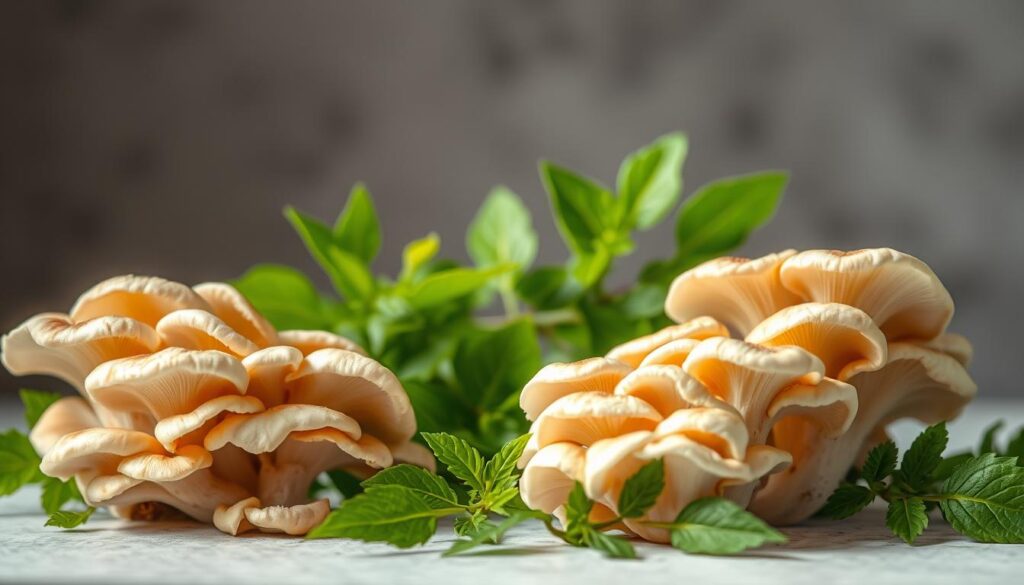
The Pleurotus species encompasses a variety of mushrooms that are widely cultivated and consumed globally. These mushrooms are known for their fan-shaped or oyster-shaped caps, and they grow on various substrates, including trees and organic waste. The adaptability of Pleurotus to different environments makes them a sustainable choice for mushroom cultivation.
For more detailed information on Pleurotus mushrooms, you can visit our dedicated page, which provides comprehensive insights into their cultivation, nutritional benefits, and culinary uses.
Popular Varieties of Pleurotus
Some of the most popular varieties of Pleurotus include Pleurotus ostreatus, commonly known as the oyster mushroom, and Pleurotus eryngii, known as the king oyster mushroom. Pleurotus ostreatus is prized for its tender flesh and mild flavor, while Pleurotus eryngii is valued for its firm texture and rich, umami taste.
- Pleurotus ostreatus: Known for its delicate flavor and soft texture.
- Pleurotus eryngii: Appreciated for its meaty texture and deep, earthy flavor.
Nutritional Benefits
Pleurotus mushrooms are not only delicious but also packed with nutrients. They are an excellent source of protein, fiber, and various vitamins and minerals, including vitamin D, copper, and selenium. The nutritional profile of Pleurotus makes them an excellent addition to a balanced diet, supporting overall health and well-being.
The Pleurotus species is also known for its potential health benefits, including antioxidant properties and immune system support. Incorporating these mushrooms into your diet can be a flavorful way to enhance your nutritional intake.
Culinary Uses of Pleurotus Mushrooms
The culinary world has embraced Pleurotus mushrooms for their adaptability in various recipes and cooking methods. These versatile fungi can be sautéed, grilled, or used in soups and stews, making them a great addition to a variety of dishes.
Cooking with Pleurotus
Cooking with Pleurotus mushrooms is a delight due to their mild flavor and soft texture. They can be used in place of more traditional mushrooms in many recipes, offering a unique twist on classic dishes. Pleurotus mushrooms are particularly well-suited for stir-fries and pasta dishes, where they can absorb the flavors of the other ingredients.
To bring out their best flavor, sauté Pleurotus mushrooms in olive oil with garlic and herbs. This simple preparation method enhances their natural taste without overpowering it.
Popular Recipes
Pleurotus mushrooms are a versatile ingredient that can be used in a variety of popular recipes. Some favorite dishes include:
- Pleurotus and leek soup
- Grilled Pleurotus with roasted vegetables
- Pasta with sautéed Pleurotus and herbs
| Recipe | Main Ingredients | Cooking Method |
|---|---|---|
| Pleurotus Stir-Fry | Pleurotus mushrooms, bell peppers, onions, soy sauce | Stir-fry |
| Pleurotus Soup | Pleurotus mushrooms, leeks, garlic, vegetable broth | Simmer |
| Grilled Pleurotus | Pleurotus mushrooms, olive oil, salt, pepper | Grill |
Flavor Profiles and Pairing Suggestions
The mild flavor of Pleurotus mushrooms makes them an excellent choice for pairing with a variety of ingredients. They complement both earthy and bright, citrusy flavors. For a harmonious dish, try pairing Pleurotus with ingredients like truffle oil, thyme, or lemon juice.
Experimenting with different flavor combinations can help you discover new favorite recipes. Whether you’re adding Pleurotus to a hearty stew or using them as a topping for pizza, their versatility is sure to impress.
Health Benefits of Pleurotus Mushrooms
The Pleurotus species, commonly known as oyster mushrooms, are not only delicious but also packed with nutrients and antioxidants. These mushrooms have been a part of traditional cuisine for centuries, particularly in Asian cultures, and are now gaining popularity worldwide for their culinary and health benefits.
Rich in Nutrients
Pleurotus mushrooms are an excellent source of essential nutrients, including proteins, fibers, and various vitamins and minerals. They are particularly rich in vitamin D, a nutrient that is crucial for bone health and immune function. A 100-gram serving of Pleurotus mushrooms can provide a significant portion of the daily recommended intake of vitamin D.
| Nutrient | Amount per 100g | % Daily Value |
|---|---|---|
| Protein | 3.3g | 6% |
| Fiber | 1.7g | 7% |
| Vitamin D | 100 IU | 25% |
Antioxidant Properties
Pleurotus mushrooms are endowed with antioxidant properties that help protect the body against free radicals, which can cause cell damage and contribute to aging and diseases. The antioxidants in these mushrooms, including polyphenols and selenium, play a crucial role in enhancing overall health and reducing the risk of chronic diseases.
Potential Medicinal Uses
Research has explored the potential medicinal uses of Pleurotus mushrooms, including their anti-inflammatory and immune-boosting effects. Studies have shown that extracts from these mushrooms can stimulate the immune system and may have applications in the prevention and treatment of certain diseases.
The mycology community continues to study the properties of Pleurotus mushrooms, exploring their potential in modern medicine and their role in supporting a healthy lifestyle.
Growing Pleurotus Mushrooms at Home
Pleurotus mushrooms are one of the easiest varieties to grow at home, making them perfect for beginners. With minimal equipment and the right conditions, you can enjoy a bountiful harvest of these delicious and nutritious mushrooms.
Choosing the Right Substrate
The substrate is the material on which your mushrooms will grow. For Pleurotus mushrooms, common substrates include straw, wood chips, and compost. Straw is a popular choice because it is easy to pasteurize and provides a good environment for mycelium growth.
When selecting a substrate, consider its availability and cost. You can often find straw or wood chips at local gardening stores or online. Ensure the substrate is dry and free of contaminants to prevent competition from other microorganisms.
Step-by-Step Growing Process
Growing Pleurotus mushrooms involves several key steps:
- Pasteurize the substrate to kill any bacteria or pests.
- Inoculate the substrate with Pleurotus mushroom spores or plug spawn.
- Maintain the right conditions for mycelium growth, typically in a cool, dark place.
- Once the mycelium has fully colonized the substrate, move it to a fruiting area with adequate light and humidity.
Maintaining humidity is crucial for the mushrooms to fruit properly. You can cover the substrate with a damp cloth or use a humidifier to keep the environment moist.
Troubleshooting Common Issues
Even with proper care, issues can arise during mushroom cultivation. Common problems include contamination, inadequate humidity, and insufficient light.
If you notice mold or bacteria growing on your substrate, it’s likely contaminated. Check your pasteurization process and ensure your equipment is clean.
“The art of growing mushrooms is not just about the technical process, but also about creating an environment that fosters their growth.” – Mycology Expert
By following these guidelines and being mindful of potential issues, you can successfully grow Pleurotus mushrooms at home. Happy growing!
Sustainability of Pleurotus Cultivation
Pleurotus cultivation stands out as a beacon of sustainability in the world of Fungi. This method of mushroom farming not only provides a delicious and nutritious food source but also contributes to a more sustainable environment.
Eco-Friendly Growing Practices
Pleurotus mushrooms are typically grown on organic substrates, such as straw or wood chips, which are often waste materials. This approach to mushroom cultivation is considered eco-friendly because it utilizes materials that would otherwise be discarded. By adopting such practices, growers can significantly reduce their environmental footprint.
Eco-friendly growing practices also involve minimal water usage and no need for chemical fertilizers or pesticides, making Pleurotus cultivation a sustainable choice. Moreover, the substrate used for growing can be repurposed as compost, further reducing waste.
Reducing Waste with Mushroom Farming
Mushroom farming, particularly with Edible mushrooms like Pleurotus, plays a significant role in reducing waste. By using agricultural waste as a substrate, mushroom cultivation helps divert waste from landfills and reduces the environmental impact of waste disposal.
- Utilization of agricultural by-products
- Reduction in landfill waste
- Creation of nutrient-rich compost
Impact on Local Ecosystems
The impact of Pleurotus cultivation on local ecosystems is multifaceted. On one hand, it promotes biodiversity by utilizing waste materials and providing a habitat for various organisms. On the other hand, it requires careful management to avoid any negative impacts on the local environment.
By adopting sustainable practices and integrating Pleurotus cultivation into local agricultural systems, farmers can enhance ecosystem services while producing a valuable crop. This approach not only supports local economies but also contributes to a healthier environment.
Pleurotus in the Gourmet Food Scene
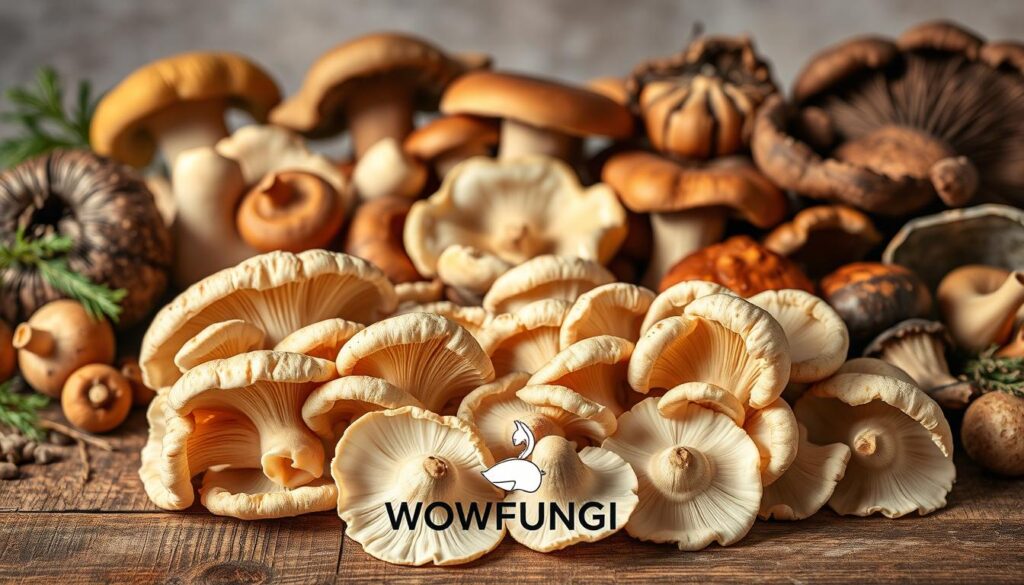
Pleurotus mushrooms are making waves in the culinary world, thanks to their adaptability and rich flavor profiles. These versatile fungi are being incorporated into a variety of dishes, from haute cuisine to innovative street food.
Trendy Dishes Featuring Pleurotus
Chefs are experimenting with Pleurotus mushrooms in various culinary creations. Some popular dishes include:
- Pleurotus risotto with truffle oil
- Grilled Pleurotus with herb butter
- Pleurotus and leek soup
These dishes showcase the mushroom’s ability to absorb and complement a wide range of flavors. The tender texture of Pleurotus makes it an excellent addition to both vegetarian and meat-based dishes.
Chef Recommendations
Renowned chefs praise Pleurotus for its culinary versatility. According to Chef Dominique Crenn, “Pleurotus mushrooms bring a depth of flavor and texture that elevates any dish. They’re a game-changer in modern cuisine.”
Chef Jamie Oliver recommends sautéing Pleurotus with garlic and lemon for a simple yet flavorful side dish. “Pleurotus is a fantastic ingredient for home cooks and professional chefs alike,” he notes.
Pleurotus at Famous Restaurants
Top restaurants worldwide are incorporating Pleurotus into their menus. At Eleven Madison Park in New York, Pleurotus is featured in a seasonal dish that highlights its earthy flavors. Similarly, Le Bernardin in Paris uses Pleurotus to add a sophisticated touch to their seafood offerings.
The increasing presence of Pleurotus on gourmet menus is a testament to its growing popularity and the culinary creativity it inspires.
The Future of Pleurotus Mushrooms
Pleurotus mushrooms are on the cusp of a revolution, driven by innovations in mycology and cultivation techniques. As we look to the future, it’s clear that these versatile mushrooms will play an increasingly important role in the food industry, sustainability efforts, and culinary innovation.
Innovations in Mycology
Recent advancements in mycology have opened up new avenues for Pleurotus mushroom cultivation. Scientists are exploring novel substrates and optimized growing conditions to enhance yield and nutritional content. For instance, using agricultural waste as a substrate not only reduces waste but also provides a sustainable and cost-effective method for mushroom production.
Key innovations include:
- Genetic research to improve mushroom strains
- Advanced cultivation techniques for increased yield
- Integration of technology for monitoring and controlling growing conditions
Market Trends and Opportunities
The market for Pleurotus mushrooms is expanding, driven by consumer demand for sustainable and healthy food options. Trends indicate a growing interest in plant-based diets, with mushrooms being a key component. The versatility of Pleurotus mushrooms makes them an attractive ingredient for various culinary applications, from gourmet dishes to functional foods.
| Market Trend | Opportunity | Impact |
|---|---|---|
| Increasing demand for plant-based products | Expansion into new product categories | Growth in market share |
| Rising interest in sustainable food production | Promotion of eco-friendly cultivation practices | Enhanced brand reputation |
| Growing awareness of nutritional benefits | Development of functional foods and supplements | Increased consumer loyalty |
Research and Development in Mushroom Cultivation
Ongoing research and development are crucial for the continued growth of the Pleurotus mushroom industry. Efforts are being made to improve cultivation techniques, enhance nutritional content, and explore new applications for these mushrooms. Collaboration between researchers, farmers, and industry stakeholders is key to driving innovation and addressing challenges in the supply chain.
The future of Pleurotus mushrooms is not just about cultivation; it’s about creating a sustainable and integrated food system.
Connecting with the Pleurotus Community
Pleurotus enthusiasts are part of a vibrant community that spans online forums, local clubs, and educational events. This community is rich with experts, enthusiasts, and everything in between, offering a wealth of knowledge and camaraderie for those interested in oyster mushrooms and mushroom farming.
Online Forums and Social Media Groups
Online platforms are a great way to connect with other Pleurotus enthusiasts. Facebook groups and Reddit forums dedicated to mushroom cultivation are bustling with activity, offering advice, recipes, and updates on the latest developments in mycology.
- Join online forums to ask questions and share your experiences.
- Follow social media groups focused on mushroom farming to stay updated.
Local Mushroom Foraging Clubs
For those who prefer in-person interactions, local mushroom foraging clubs offer a chance to meet fellow enthusiasts, learn from experts, and participate in guided foraging tours. These clubs are an excellent way to deepen your understanding of Pleurotus and other mushroom species.
Educational Workshops and Events
Educational workshops and events are another facet of the Pleurotus community. These events range from beginner courses on mushroom cultivation to advanced seminars on mycology. They provide a unique opportunity to learn from experts and network with like-minded individuals.
“The future of food is fungi,” says a renowned mycologist, highlighting the growing interest in mushroom cultivation and its potential impact on sustainable food systems.
Fun Facts About Pleurotus Mushrooms
Pleurotus mushrooms, a diverse group of Fungi, have been a part of human culture for centuries. Their unique characteristics, rich history, and versatility in culinary traditions make them fascinating.
Distinctive Traits
Pleurotus mushrooms are known for their fan-shaped or oyster-shaped caps. They have a delicate flavor and soft texture, making them a favorite among chefs and home cooks. Some species of Pleurotus can even break down toxic pollutants, showcasing their potential in bioremediation.
A Rich History
Pleurotus mushrooms have been consumed for centuries, with records of their cultivation dating back to ancient civilizations. They were valued not only for their nutritional benefits but also for their potential medicinal properties.
Cultural Significance
In various cultures, Pleurotus mushrooms are considered a delicacy and are incorporated into traditional dishes. From stir-fries in Asia to soups in Europe, these mushrooms add a unique flavor and nutritional boost to a wide range of culinary creations.
 Previous Post
 Next Post