
Discover the fascinating world of Chaga, a unique medicinal mushroom renowned for its antioxidant properties. This incredible fungus has been used for centuries in traditional medicine, and its benefits are now being recognized globally.
The antioxidant-rich mushroom is rich in nutrients and has been shown to have numerous health benefits, from boosting the immune system to reducing inflammation.
Key Takeaways
- Chaga is a medicinal mushroom with antioxidant properties.
- It has been used for centuries in traditional medicine.
- The mushroom is rich in nutrients and has various health benefits.
- Chaga can help boost the immune system and reduce inflammation.
- Its benefits are now being recognized globally.
What is Chaga and Where Does It Grow?
Chaga, scientifically known as Inonotus obliquus, is a type of fungus that has garnered attention for its health-promoting properties. This unique organism grows on certain trees in cold climates. Understanding what Chaga is and its natural habitats is essential for appreciating its benefits.
The Biology of Chaga
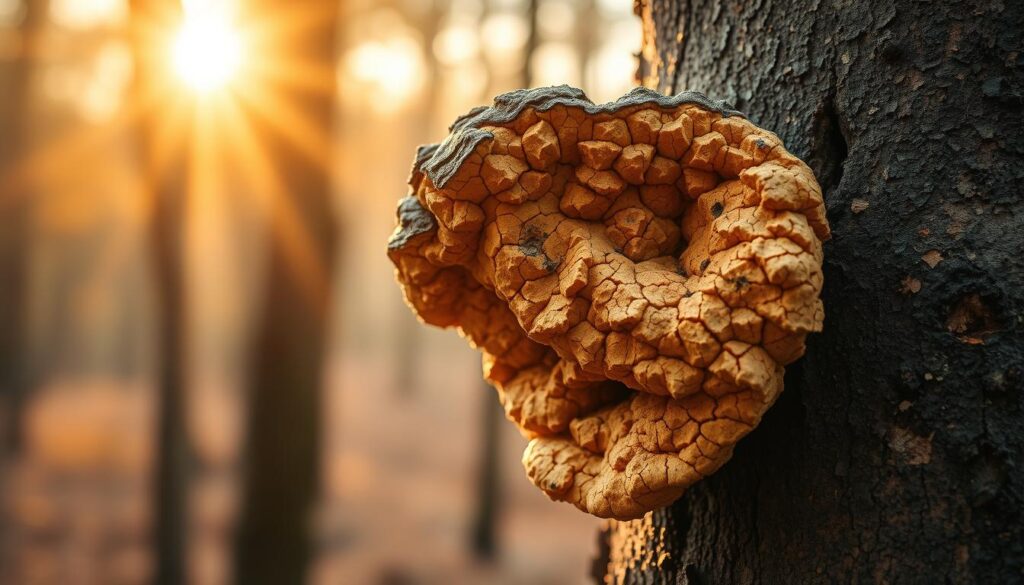
Chaga is a parasitic fungus that primarily grows on birch trees. It appears as a black, cracked, and burnt-looking mass, but inside, it has a soft, spongy texture with a golden or orange color. Chaga’s unique appearance and composition are key to its health benefits.
Natural Habitats of Chaga Mushroom
Chaga thrives in cold climates, typically found in regions such as Russia, Canada, Alaska, and Northern Europe. It grows in forests where birch trees are prevalent. The harsh climate and specific host trees contribute to Chaga’s unique properties.
| Region | Primary Host Trees | Climate Characteristics |
|---|---|---|
| Russia | Birch | Cold, long winters |
| Canada | Birch, occasionally other hardwoods | Harsh, cold winters |
| Alaska | Birch | Cold, subarctic |
| Northern Europe | Birch | Cool, temperate |
The Nutritional Profile of Chaga
Chaga is not just any ordinary mushroom; it’s packed with nutrients that contribute to its numerous health benefits. The nutritional profile of Chaga is impressive, featuring a rich mix of vitamins, minerals, and antioxidants.
Key Nutrients Found in Chaga
Chaga mushrooms are an excellent source of several key nutrients, including:
- Antioxidants: Chaga contains a high amount of antioxidants, which help protect the body from oxidative stress.
- B Vitamins: It is a good source of B vitamins, which are crucial for energy production and various bodily functions.
- Minerals: Chaga is rich in minerals such as potassium, magnesium, and iron, essential for maintaining healthy blood pressure, bone health, and preventing anemia.
How Chaga Compares to Other Mushrooms
When comparing Chaga to other medicinal mushrooms like Reishi or Shiitake, it’s clear that each has its unique nutritional strengths. However, Chaga stands out due to its:
- High Antioxidant Content: Chaga has one of the highest antioxidant capacities among medicinal mushrooms.
- Diverse Mineral Profile: Its mineral content is particularly diverse, making it a valuable supplement for those looking to boost their mineral intake.
For those interested in incorporating Chaga into their diet, visiting a reputable source like https://wowfungi.com/chaga/ can provide valuable information on Chaga products and their benefits.
In summary, Chaga’s nutritional profile makes it a powerhouse among medicinal mushrooms, offering a range of health benefits that can support a balanced lifestyle.
Health Benefits of Chaga
The health benefits of Chaga are multifaceted, ranging from immune system support to antioxidant properties. This unique mushroom has been studied for its potential to enhance overall well-being.
Promoting Immune Function
Chaga is rich in beta-glucans, which are known to stimulate the immune system. By activating immune cells like macrophages and natural killer cells, Chaga can help the body defend against pathogens more effectively.
Key immune-boosting components of Chaga include:
- Beta-glucans
- Polysaccharides
- Steroids
Potential Anti-Inflammatory Effects
Chaga contains various bioactive compounds that may help reduce inflammation. Chronic inflammation is associated with numerous health issues, and managing it is crucial for maintaining overall health.
| Compound | Potential Benefit |
|---|---|
| Betulin | Anti-inflammatory properties |
| Polyphenols | Antioxidant effects |
Chaga and Antioxidant Properties
Chaga is renowned for its high antioxidant content. Antioxidants play a crucial role in protecting cells from damage caused by free radicals, which can lead to chronic diseases like cancer and heart disease.
The antioxidant properties of Chaga can be attributed to its rich content of:
- SOD (Superoxide Dismutase)
- Polyphenols
- Flavonoids
By incorporating Chaga into your wellness routine, you may be able to harness its immune-boosting, anti-inflammatory, and antioxidant benefits, contributing to a healthier lifestyle.
How to Prepare Chaga for Consumption
To enjoy the benefits of Chaga, it’s essential to know how to prepare it correctly. Chaga can be consumed in various forms, and its preparation is relatively simple.
One of the most popular ways to consume Chaga is by making a tea. This traditional method allows for the extraction of its beneficial compounds.
Making Chaga Tea
Making Chaga tea is a straightforward process. Start by breaking the Chaga into small pieces or grinding it into a powder. Then, steep one teaspoon of Chaga in boiling water for about 10-15 minutes. You can adjust the strength to your liking by adding more or less Chaga.
Tips for a perfect cup:
- Use filtered water to prevent any impurities in the tap water from affecting the taste.
- Experiment with different steeping times to find your ideal strength.
- Add honey or lemon to taste, if desired.
As noted by herbalists, “Chaga tea can be a soothing addition to your daily routine, promoting relaxation and well-being.”
“The ritual of drinking Chaga tea can be meditative, allowing one to connect with nature.”
Using Chaga in Smoothies
Another delicious way to consume Chaga is by adding it to your favorite smoothies. Simply add a teaspoon of Chaga powder to your smoothie ingredients and blend as usual.
Here’s a simple recipe to get you started:
| Ingredient | Quantity |
|---|---|
| Chaga powder | 1 teaspoon |
| Banana | 1 |
| Almond milk | 1 cup |
| Honey | 1 tablespoon |
Blend all the ingredients together until smooth and enjoy as a nutritious breakfast or snack. You can also experiment with other ingredients like berries, spinach, or protein powder to create different flavor profiles.
By incorporating Chaga into your daily routine, whether through tea or smoothies, you can harness its potential health benefits and enjoy a delicious, comforting beverage.
Chaga Supplements: What You Need to Know
When it comes to harnessing the power of Chaga, supplements are a popular choice. With the growing interest in natural health products, Chaga supplements have become increasingly sought after for their potential benefits.
Different Forms of Chaga Supplements
Chaga supplements come in various forms, each with its own advantages. Some of the most common forms include:
- Capsules: Convenient and easy to incorporate into your daily routine.
- Powders: Versatile and can be added to smoothies or tea.
- Tinctures: Concentrated extracts that can be taken sublingually or added to drinks.
- Teas: A traditional way to consume Chaga, offering a soothing and comforting experience.
Each form has its own benefits, and the choice largely depends on personal preference and lifestyle.
Choosing Quality Supplements
With so many options available, choosing a high-quality Chaga supplement can be daunting. Here are some key considerations:
- Source: Look for supplements sourced from reputable suppliers to ensure purity and potency.
- Processing: Opt for products that use minimal processing to preserve the natural nutrients.
- Certifications: Check for third-party certifications that verify the product’s quality and safety.
- Label Transparency: Ensure that the label clearly states the ingredients, dosage, and any other relevant information.
By considering these factors, you can make an informed decision and choose a supplement that meets your needs.
In conclusion, Chaga supplements offer a convenient way to incorporate the benefits of Chaga into your daily routine. By understanding the different forms available and knowing what to look for in a quality supplement, you can make the most of this natural health product.
The Role of Chaga in Traditional Medicine
Chaga’s role in traditional medicine is deeply rooted in its historical uses and cultural significance across various societies. For centuries, this unique mushroom has been utilized in folk remedies, particularly in regions where it naturally grows.
Historical Uses of Chaga
Historically, Chaga has been used to treat various ailments, from digestive issues to skin conditions. In traditional Siberian and Russian medicine, Chaga was often brewed as a tea or decoction to boost overall health and immunity. The indigenous people of these regions believed that Chaga possessed healing properties that could alleviate fatigue, improve circulation, and even treat serious diseases.
Traditional healing practices involving Chaga were often passed down through generations, with each family having their own recipes and methods for preparation. This traditional knowledge was highly valued, and Chaga was considered a staple in many households.
Cultural Significance in Various Regions
Chaga holds significant cultural value in many regions, particularly in Russia, Siberia, and other parts of Northern Europe. In these cultures, Chaga is not only seen as a medicinal resource but also as a symbol of resilience and survival in harsh climates. The mushroom’s ability to thrive on birch trees in cold, unforgiving environments has led to its reverence as a natural remedy that can enhance human resilience.
In some cultures, Chaga is considered a gift from nature, used in rituals and ceremonies to promote health and well-being. The cultural significance of Chaga is further highlighted by its inclusion in traditional stories and folklore, where it is often depicted as a powerful healing agent.
The integration of Chaga into traditional medicine reflects a broader understanding of health that encompasses not just physical well-being but also spiritual and communal harmony. As such, Chaga continues to play a vital role in the cultural heritage of many communities.
Chaga and Modern Research
Recent years have seen a surge in research on Chaga, shedding new light on its potential health benefits. As scientists continue to explore the properties of this unique mushroom, new insights are emerging that could have significant implications for its use in modern health practices.
Recent Studies on Chaga’s Health Benefits
Numerous studies have been conducted to understand the health benefits of Chaga. Research has shown that Chaga is rich in antioxidants, which can help protect cells from damage caused by free radicals. This antioxidant property is believed to contribute to Chaga’s potential anti-inflammatory effects, making it a subject of interest for researchers studying chronic inflammation and related diseases.
A study published in a reputable scientific journal found that Chaga extract exhibited significant anti-inflammatory properties, suggesting its potential use in developing treatments for inflammatory conditions. Additionally, research has indicated that Chaga may have immunomodulatory effects, helping to regulate the immune system.
Future Research Outlook
While current research on Chaga is promising, there is still much to be discovered. Future studies are expected to delve deeper into the specific compounds responsible for Chaga’s health benefits and explore its potential therapeutic applications. The ongoing research is likely to provide a clearer understanding of how Chaga can be effectively used in health supplements and medicinal products.
As the scientific community continues to investigate Chaga, we can expect to see more clinical trials and studies that will help validate its health benefits and potential uses. This research will be crucial in unlocking the full potential of Chaga and ensuring its safe and effective use in various health-related applications.
Potential Side Effects and Considerations
As with any dietary supplement, understanding the potential side effects of Chaga is essential. While Chaga is generally considered safe for most people, there are certain individuals who should be cautious or avoid it altogether.
Who Should Avoid Chaga?
Certain groups of people should exercise caution or avoid consuming Chaga due to potential health risks. These include:
- Pregnant or Breastfeeding Women: There is limited research on the safety of Chaga during pregnancy and breastfeeding. As a precaution, it’s recommended to consult a healthcare provider.
- People with Bleeding Disorders: Chaga may slow blood clotting, potentially worsening bleeding disorders.
- Individuals with Autoimmune Diseases: Chaga can stimulate the immune system, which might exacerbate conditions like multiple sclerosis, lupus, or rheumatoid arthritis.
- Those Scheduled for Surgery: Due to its potential effect on blood clotting, it’s advised to stop consuming Chaga at least two weeks before any surgical procedure.
Possible Interactions with Medications
Chaga can interact with certain medications, potentially leading to adverse effects. Some of these interactions include:
- Anticoagulant and Antiplatelet Drugs: Chaga may increase the risk of bleeding when taken with these medications.
- Diabetes Medications: Chaga might lower blood sugar levels, potentially leading to hypoglycemia when combined with diabetes medications.
- Immunosuppressants: Since Chaga can stimulate the immune system, it may interfere with immunosuppressive therapy.
It’s crucial to consult with a healthcare provider before adding Chaga to your regimen, especially if you’re taking any medications or have underlying health conditions.
By being aware of these potential side effects and interactions, you can make an informed decision about incorporating Chaga into your health routine.
Incorporating Chaga into Your Daily Routine
Chaga, the antioxidant-rich mushroom, can be easily integrated into your daily routine to enhance your wellbeing. With its rich nutritional profile and potential health benefits, making Chaga a part of your daily regimen can be a simple yet effective way to support your overall health.
Creative Recipes with Chaga
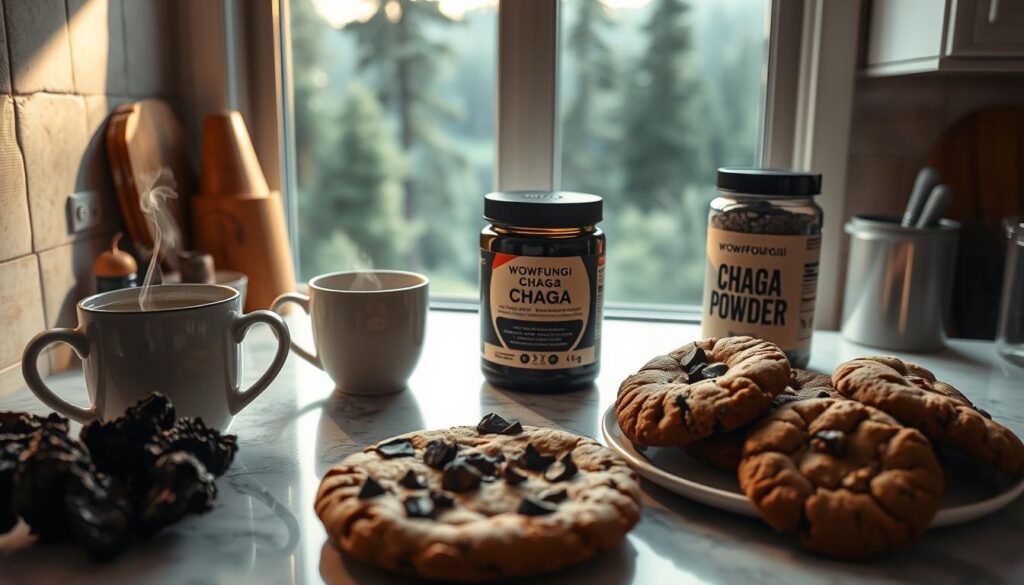
One of the easiest ways to incorporate Chaga into your daily routine is through various recipes. Here are a few ideas to get you started:
- Chaga Tea: Steep Chaga chunks or powder in hot water to make a soothing tea that’s rich in antioxidants.
- Chaga Smoothie: Add Chaga powder to your favorite smoothie recipe for an extra boost of nutrition.
- Chaga Latte: Mix Chaga powder with your favorite latte ingredients for a delicious and healthy drink.
You can also experiment with different recipes, such as adding Chaga to soups, stews, or baked goods. The versatility of Chaga makes it easy to incorporate into your daily meals.
How Much Chaga Should You Use?
When it comes to using Chaga, the dosage can vary depending on the form and individual needs. Here are some general guidelines:
- Chaga Tea: Use 1-2 teaspoons of Chaga chunks or powder per cup of hot water.
- Chaga Powder: Start with a small dose of 1/4 teaspoon and gradually increase as needed.
- Chaga Supplements: Follow the recommended dosage on the product label, typically ranging from 500-2000mg per day.
It’s essential to consult with a healthcare professional before starting any new supplement regimen, especially if you have underlying health conditions or are taking medications.
By incorporating Chaga into your daily routine, you can tap into its wealth of nutritional benefits and support your overall wellbeing. Whether you choose to enjoy it as a tea, add it to your smoothies, or take it as a supplement, Chaga can be a valuable addition to your health regimen.
Where to Buy Quality Chaga Products
When looking to buy Chaga products, it’s essential to choose a reputable brand that offers high-quality products. One such brand is Wow Fungi, a company that specializes in medicinal mushrooms, including Chaga. Their products are produced in GMP-certified facilities, ensuring purity and efficacy.
Reliable Sources for Chaga
Wow Fungi offers Chaga in various formats, including extracts, powders, and capsules, catering to different needs and preferences. You can visit their website at Wow Fungi to explore their range of Chaga products, all of which come with detailed certificates of analysis.
Tips for Purchasing Chaga
When buying Chaga online, look for brands that provide batch-by-batch analysis and adhere to GMP & ISO guidelines. Consider the product format that suits you best and check the minimum order quantities. Fast delivery options are also a plus, especially if you’re purchasing from a warehouse within your region, such as the EU warehouse offered by some suppliers.
 Previous Post
 Next Post