
Ganoderma lucidum, commonly known as Reishi, is a medicinal mushroom that has been revered in traditional Chinese medicine for over 4,000 years. Its rich history is rooted in its numerous health benefits, attributed to its bioactive compounds, including polysaccharides, beta-glucans, and triterpenes.
For those interested in exploring the benefits of Reishi, visiting a reputable source like Reishi information can provide valuable insights into its uses and advantages. The growing popularity of Reishi in the health and wellness community is a testament to its potential to enhance overall well-being.
Key Takeaways
- Reishi is a medicinal mushroom with a history spanning over 4,000 years.
- It contains bioactive compounds like polysaccharides and triterpenes.
- Reishi is rich in essential amino acids and trace minerals.
- The typical extraction ratio for Reishi extract ranges from 8:1 to 11:1.
- Reishi extracts are often standardized to contain 30% polysaccharides.
What is Reishi and Why is it Unique?
With a history that spans thousands of years, Reishi mushrooms have been utilized in traditional medicine for their remarkable healing properties. The Reishi mushroom, also known as Ganoderma lucidum, is a type of fungus that grows on decaying logs and trees, primarily in Asia.
Overview of Reishi Mushroom
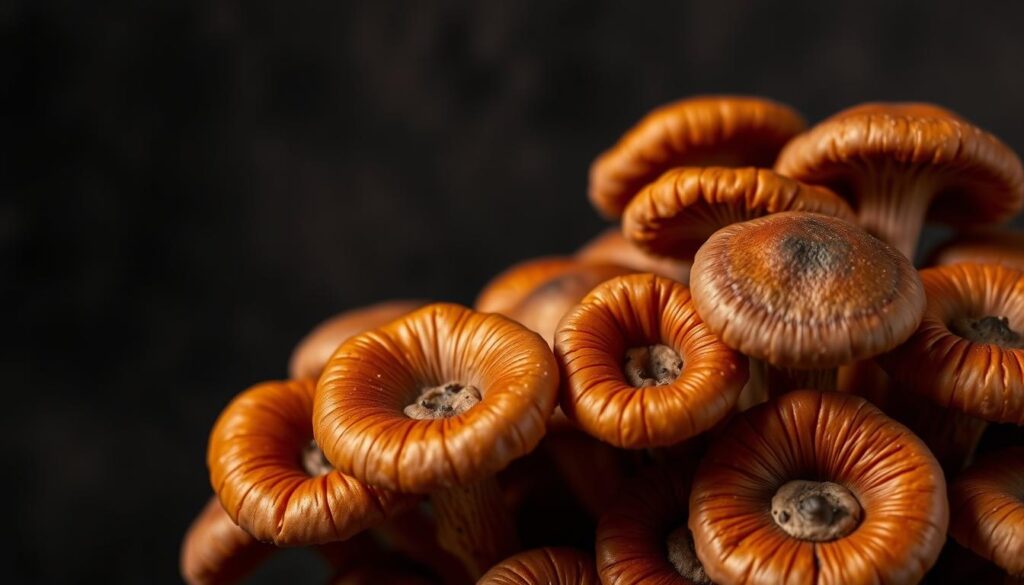
Reishi mushrooms are known for their unique appearance and composition. They have a hard, woody texture and grow in a variety of shapes and sizes. The mushroom’s cap is typically reddish-brown and shiny, with a white or yellowish pore surface underneath.
The bioactive compounds present in Reishi, such as polysaccharides, triterpenoids, and peptides, contribute to its potential health benefits. These compounds are believed to have antioxidant, anti-inflammatory, and immune-modulating effects, making Reishi a valuable component in traditional medicine.
Historical Significance in Traditional Medicine
In traditional Chinese medicine, Reishi has been revered for centuries as a “mushroom of immortality.” It was believed to promote vitality, longevity, and overall well-being. Historical records show that Reishi was used by royalty and was considered a prized possession.
The historical significance of Reishi can be summarized in the following table:
| Period | Use in Traditional Medicine | Believed Benefits |
|---|---|---|
| Ancient China | Used as a tonic for vitality and longevity | Promoted overall health and well-being |
| Royal Courts | Reserved for royalty and nobility | Enhanced vitality and promoted longevity |
| Traditional Practices | Used in herbal remedies and teas | Supported immune function and reduced stress |
Understanding the historical context and traditional uses of Reishi provides a foundation for exploring its potential health benefits in modern times.
Nutritional Profile of Reishi
The Reishi mushroom is renowned for its rich nutritional profile, which includes a variety of vitamins and minerals essential for overall health.
Key Vitamins and Minerals
Reishi is a good source of several key vitamins and minerals. It contains vitamins such as vitamin D, which is crucial for bone health, and B vitamins, which play a significant role in energy production.
Additionally, Reishi is rich in minerals like potassium, magnesium, and iron, which are vital for maintaining healthy blood pressure, supporting muscle function, and ensuring adequate oxygen delivery to tissues.
Antioxidant Properties
One of the most significant nutritional benefits of Reishi is its high antioxidant content. Antioxidants help protect cells from damage caused by free radicals, which are unstable molecules that can lead to oxidative stress.
Oxidative stress is associated with various chronic diseases, including heart disease, diabetes, and certain cancers. The antioxidants in Reishi, including polyphenols and triterpenes, contribute to its potential health benefits by mitigating oxidative stress and inflammation.
In summary, Reishi’s nutritional profile is characterized by its richness in vitamins, minerals, and antioxidants. These nutritional components underpin many of the health benefits associated with Reishi consumption, making it a valuable addition to a healthy diet.
Potential Health Benefits of Reishi
The Reishi mushroom is a powerhouse of health benefits, backed by traditional use and modern research. Its potential advantages span various aspects of health, from immune system support to heart health improvements.
Immune System Support
Reishi is known to have immunomodulatory effects, meaning it can help regulate the immune system. Studies suggest that Reishi extract can enhance the body’s natural defenses, potentially reducing the severity of illnesses. This is attributed to its ability to stimulate the production of immune cells.
Stress Reduction and Mood Enhancement
Reishi has been used in traditional medicine for its calming properties. It is believed to help reduce stress and improve mood by influencing the body’s response to stressors. The adaptogenic properties of Reishi may help in balancing the body’s reaction to stress, potentially leading to a better mood and overall sense of well-being.
Benefits for Heart Health
Research into the cardiovascular benefits of Reishi suggests that it may help in lowering blood pressure and improving overall heart health. The antioxidants present in Reishi can help in reducing the risk of heart disease by combating oxidative stress.
By incorporating Reishi into one’s health regimen, individuals may experience these benefits firsthand. However, it’s essential to consult with a healthcare professional before starting any new supplement.
How to Incorporate Reishi into Your Diet
Making Reishi a part of your dietary regimen can be both simple and beneficial for your health. With various forms available, you can easily find a method that suits your lifestyle.
Reishi Supplements and Extracts
Reishi supplements and extracts are popular among those looking to harness the mushroom’s health benefits. These products come in various forms, including capsules, powders, and tinctures.
Benefits of Reishi Supplements:
- Convenient to incorporate into daily routines
- Available in various potencies and formulations
- Can be easily taken on the go
| Product Form | Description | Recommended Use |
|---|---|---|
| Capsules | Contains dried Reishi mushroom powder | Take 1-2 capsules daily with meals |
| Powders | Ground Reishi mushroom for versatile use | Add to smoothies, soups, or tea |
| Tinctures | Concentrated liquid extract of Reishi | Take a few drops under the tongue or in water |
Reishi Tea Recipes
Reishi tea is another delightful way to enjoy the benefits of this mushroom. Here are a few simple recipes to get you started:
Reishi and Lemon Tea: Combine dried Reishi slices with lemon slices and honey for a soothing, citrusy drink.

When incorporating Reishi into your diet, it’s essential to start with small amounts and observe how your body reacts. Whether you choose supplements or tea, Reishi can be a valuable addition to your wellness routine.
Reishi’s Role in Traditional Chinese Medicine
In traditional Chinese medicine, Reishi is cherished for its adaptogenic properties and its ability to enhance overall well-being. This revered medicinal mushroom has been used for centuries to promote health and longevity.
Historical Uses in Health Practices
Historical Uses in Health Practices
Reishi has been utilized in various traditional Chinese medicine practices, primarily for its perceived health benefits, including boosting the immune system, reducing stress, and promoting vitality. It was often reserved for royalty and the elite due to its rarity and potency.
The historical use of Reishi is well-documented in ancient Chinese medical texts, where it is described as a superior herb capable of enhancing spiritual well-being and physical health.
Modern Interpretations of Ancient Wisdom
Today, Reishi continues to be valued for its health benefits, with modern research shedding light on its potential therapeutic applications. Modern interpretations of traditional Reishi uses include its incorporation into dietary supplements and health products aimed at supporting immune function and overall wellness.
The adaptogenic properties of Reishi, which help the body to resist physical and emotional stress, are of particular interest in contemporary health practices. As a result, Reishi is often used in teas, capsules, and powders designed to promote relaxation and well-being.
| Traditional Use | Modern Application |
|---|---|
| Immune system support | Dietary supplements for immune health |
| Stress reduction | Reishi tea and relaxation products |
| Promoting vitality | Energy and wellness supplements |
By understanding the historical context and modern applications of Reishi, individuals can better appreciate its role in traditional Chinese medicine and its continued relevance in contemporary health practices.
Scientific Research on Reishi
Recent studies have shed new light on the benefits of Reishi, a mushroom revered in traditional medicine for centuries. As modern science delves into the properties of this fungus, its potential health benefits are becoming increasingly evident.
Recent Studies and Findings
Research into Reishi has highlighted its rich nutritional profile, including a variety of vitamins, minerals, and antioxidants. Studies have shown that Reishi can enhance immune function, reduce stress, and even contribute to heart health. For instance, a study published in the Journal of Medicinal Food found that Reishi supplementation could modulate the immune system, potentially offering protection against viral infections.
Key Findings:
- Reishi contains bioactive compounds that may support immune health.
- It has been shown to have adaptogenic properties, helping the body to manage stress.
- Reishi’s antioxidant properties may contribute to overall well-being and potentially reduce the risk of chronic diseases.
As Dr. Paul Stamets, a renowned mycologist, once noted, “Reishi is a powerful adaptogen that can help the body adapt to stress.” This is supported by various studies indicating its potential benefits in enhancing resilience to stress and promoting overall health.
“The adaptogenic properties of Reishi make it a valuable resource for maintaining health and well-being in today’s fast-paced world.”
The Importance of Evidence-Based Practice
While traditional knowledge provides a foundation for understanding Reishi, modern scientific research is crucial for validating its health benefits. Evidence-based practice ensures that the use of Reishi is grounded in verifiable data, enhancing its potential therapeutic applications.
By integrating traditional wisdom with contemporary scientific methods, we can gain a more comprehensive understanding of Reishi’s benefits. This approach not only supports the development of new health products and therapies but also fosters a deeper appreciation for the role of natural substances in promoting health.
Evidence-Based Benefits:
- Supports immune function through bioactive compounds.
- May reduce stress and enhance mood.
- Contributes to heart health by potentially lowering blood pressure and cholesterol levels.
In conclusion, the scientific research on Reishi underscores its potential as a valuable resource for health and wellness. As we continue to explore its benefits through rigorous scientific inquiry, Reishi is poised to play an increasingly important role in complementary and alternative medicine.
Who Can Benefit from Reishi?
The versatility of Reishi makes it a supplement of interest for a wide range of individuals. Its adaptogenic properties allow it to cater to different health needs, making it a valuable addition to various lifestyles.
Suitable for Different Lifestyles
Reishi supplements can be beneficial for individuals with diverse lifestyles. For instance, athletes can use Reishi to enhance recovery and reduce stress. Busy professionals can benefit from its adaptogenic properties to manage work-related stress. Additionally, individuals with active social lives can use Reishi to boost their immune systems and maintain overall well-being.
Reishi is also suitable for different age groups. Older adults can benefit from its antioxidant properties, which help in maintaining health and reducing the signs of aging. Younger individuals can use Reishi to support their immune systems and enhance their mental clarity.
Considerations for Specific Health Conditions
While Reishi is generally considered safe, individuals with specific health conditions should consult a healthcare professional before adding it to their regimen. For example, those with autoimmune diseases should be cautious as Reishi can stimulate the immune system. Similarly, individuals with bleeding disorders or those on anticoagulant medications should seek medical advice due to Reishi’s potential anticoagulant properties.
| Health Condition | Consideration | Recommendation |
|---|---|---|
| Autoimmune Diseases | Reishi may stimulate the immune system | Consult a healthcare professional |
| Bleeding Disorders | Reishi may have anticoagulant properties | Seek medical advice before use |
| Pregnancy/Breastfeeding | Limited research on Reishi’s effects | Consult a healthcare provider |
By understanding who can benefit from Reishi and considering individual health conditions, individuals can make informed decisions about incorporating Reishi supplements into their health routines.
Possible Side Effects of Reishi
Understanding the possible side effects of Reishi is essential for safe consumption. While Reishi mushroom is generally considered safe for most people, there are instances where it may cause adverse reactions.
Common Adverse Reactions
Some individuals may experience side effects when consuming Reishi. Common adverse reactions include:
- Digestive issues such as nausea or diarrhea
- Dry mouth, dizziness, or itchy throat
- In rare cases, Reishi can cause allergic reactions
It’s crucial to monitor your body’s response when introducing Reishi into your diet. If you experience any of these symptoms, consider adjusting your dosage or consulting a healthcare professional.
When to Consult a Healthcare Professional
While Reishi is beneficial for many, there are situations where consulting a healthcare professional is advisable. If you’re pregnant, breastfeeding, or have a medical condition, it’s essential to seek advice before using Reishi supplements.
Additionally, if you’re taking medications or have concerns about interactions, a healthcare professional can provide guidance. They can help determine a safe dosage and monitor for any potential side effects.
| Condition | Precaution |
|---|---|
| Pregnancy or Breastfeeding | Consult a healthcare professional before use |
| Pre-existing Medical Conditions | Seek medical advice to avoid complications |
| Medication Interactions | Consult a healthcare professional to ensure safe use |
By being aware of the potential side effects and taking necessary precautions, you can safely incorporate Reishi into your health regimen.
How to Choose Quality Reishi Products
With the growing popularity of Reishi supplements, understanding how to choose a high-quality product is crucial for maximizing its benefits. The market is filled with various Reishi products, making it essential for consumers to be informed about what to look for.
Identifying Authentic Sources
When searching for Reishi supplements, it’s vital to identify authentic sources. This involves looking into the manufacturer’s reputation and checking for transparency in their production processes. Reliable manufacturers will often provide detailed information about the origin of their Reishi, including where it was cultivated and how it was harvested.
Another critical step is to verify the product’s label for specific details about the Reishi used. This includes the species, the part of the mushroom used (e.g., fruiting body or mycelium), and any extraction methods employed. Products that provide clear, detailed labeling are generally more trustworthy.
Certifications and Quality Indicators
Certifications play a significant role in ensuring the quality of Reishi products. Look for products that have been certified by reputable third-party organizations. These certifications can include Good Manufacturing Practices (GMP), ISO certification, or other quality standards relevant to the supplement industry.
- GMP Certification: Indicates that the product was manufactured in a facility that adheres to strict quality control guidelines.
- ISO Certification: Signifies that the manufacturer has met international standards for quality management.
- Third-Party Testing: Products that undergo regular testing by independent labs are more likely to be free from contaminants and adulterants.
By paying attention to these quality indicators and choosing products from authentic sources, consumers can ensure they are getting a high-quality Reishi supplement that meets their health and wellness needs.
The Future of Reishi Research
The future of Reishi research is promising, with emerging trends in natural supplements paving the way for new discoveries. As scientists continue to explore the properties of this medicinal mushroom, new applications and benefits are being uncovered.
Emerging Trends in Natural Supplements
The use of Reishi as a natural supplement is on the rise, driven by consumer interest in holistic health and wellness. Reishi health benefits are being touted for their potential to enhance immune function, reduce stress, and promote overall well-being.
- Increased demand for organic and sustainably sourced Reishi products.
- Growing interest in the potential therapeutic applications of Reishi.
- Rising popularity of Reishi-based products in the wellness industry.
For more information on the various use cases of medicinal mushrooms like Reishi, visit https://wowfungi.com/medicinal-mushroom-use-cases/.
Potential Innovations in Use and Application
As research progresses, potential innovations in the use and application of Reishi are expected to emerge. Some areas of focus include:
- Development of new Reishi-based products targeting specific health concerns.
- Advancements in cultivation techniques to improve yield and quality.
- Exploration of Reishi’s potential in complementary therapies for various health conditions.
By staying at the forefront of Reishi research, we can unlock new possibilities for this remarkable medicinal mushroom, enhancing its benefits for human health.
Reishi and Sustainability
The increasing demand for Reishi has raised important questions about the sustainability of its cultivation and harvesting practices. As consumers become more environmentally conscious, the need for sustainable Reishi production methods has become a priority.
Cultivation Practices
Reishi mushroom cultivation involves several methods, including log cultivation and substrate cultivation. Log cultivation, where Reishi grows on logs, is considered more environmentally friendly as it mimics natural conditions. Substrate cultivation, on the other hand, uses a nutrient-rich substrate and can be more controlled, potentially reducing waste.
Efficient cultivation practices not only ensure a steady supply of Reishi but also minimize its ecological footprint. By adopting sustainable methods, producers can help maintain biodiversity and reduce the environmental impact of Reishi cultivation.
Environmental Impact of Harvesting
The environmental impact of Reishi harvesting is a significant concern. Wild Reishi is often harvested in forests, which can lead to habitat disruption if not managed properly. Sustainable harvesting practices, such as selective harvesting and reforestation efforts, are crucial to maintaining forest ecosystems.
Cultivated Reishi, grown in controlled environments, offers an alternative that can reduce the pressure on wild Reishi populations. By supporting sustainable cultivation, consumers can contribute to the preservation of natural habitats.
To further mitigate the environmental impact, some producers are adopting regenerative agriculture practices. These practices aim to enhance soil health, biodiversity, and ecosystem services, contributing to a more sustainable Reishi industry.
Closing Thoughts on Reishi’s Benefits
As we’ve explored throughout this article, Reishi offers a multitude of potential health benefits, from immune system support to stress reduction and heart health advantages. Incorporating Reishi tea into your daily routine can be a simple yet effective way to tap into these benefits.
Key Takeaways
The key vitamins, minerals, and antioxidants found in Reishi make it a valuable addition to a healthy lifestyle. Its historical significance in traditional medicine and modern scientific research both support its potential.
Exploring Reishi Further
Whether you’re looking to enhance your overall well-being or address specific health concerns, Reishi is worth considering. With its various forms, including supplements and Reishi tea, it’s easier than ever to experience the benefits of this remarkable mushroom.
 Previous Post
 Next Post