
Agaricus Bisporus, commonly known as the white button mushroom, is a staple in many cuisines worldwide. It is renowned for its nutritional profile and versatility in cooking, making it a valuable ingredient for health-conscious individuals and food enthusiasts alike.
This edible mushroom is not only a great addition to various dishes but also provides numerous health benefits. Rich in antioxidants and fiber, Agaricus Bisporus supports a healthy diet. Its culinary uses range from being a key ingredient in soups and sauces to being the main attraction in vegetarian dishes.
Key Takeaways
- Agaricus Bisporus is rich in antioxidants and fiber.
- It is a versatile ingredient in various cuisines.
- Supports a healthy diet due to its nutritional profile.
- Can be used in a variety of dishes, from soups to main courses.
- Is a staple in many cuisines around the world.
What is Agaricus Bisporus?
Among the most widely consumed mushrooms globally, Agaricus Bisporus is celebrated for its versatility and nutritional value. This species is not limited to a single type but encompasses a variety of mushrooms that are staples in many cuisines around the world.
Overview of the Mushroom Species
Agaricus Bisporus is a species of fungi that belongs to the family Agaricaceae. It is characterized by its rounded cap, which can vary in color from white to light brown, and its short stem. The species is known for its delicious flavor and tender texture, making it a favorite among chefs and home cooks alike.
The lifecycle of Agaricus Bisporus involves several stages, from spore germination to the mature mushroom. Understanding these stages is crucial for both commercial cultivation and home growers, as it helps in optimizing growing conditions for better yield and quality.
Common Varieties of Agaricus Bisporus
Agaricus Bisporus comes in several varieties, each with its unique characteristics and uses in cooking:
- White Button Mushrooms: The most commonly consumed form, known for its mild flavor and firm texture.
- Cremini Mushrooms: Slightly larger than white buttons, with a more pronounced flavor.
- Portobello Mushrooms: Mature cremini mushrooms, characterized by their large size and rich, earthy flavor.
These varieties offer a range of options for culinary applications, from raw salads to cooked dishes, enhancing the versatility of Agaricus Bisporus in the kitchen.
Nutritional Benefits of Agaricus Bisporus
The nutritional profile of Agaricus Bisporus reveals its potential as a beneficial component of a balanced diet. This mushroom is not only a good source of essential nutrients but also offers a range of health benefits due to its richness in vitamins, minerals, dietary fiber, and antioxidants.
Vitamins and Minerals It Offers
Agaricus Bisporus is an excellent source of vitamins B and D, making it a great dietary addition for individuals looking to boost their intake of these essential nutrients. Vitamin B is crucial for energy production and nerve function, while vitamin D is important for bone health and immune function. Additionally, this mushroom is a good source of minerals like selenium, which acts as an antioxidant in the body, protecting cells from damage.
Dietary Fiber and Antioxidants
Agaricus Bisporus is also rich in dietary fiber, which can help promote digestive health and support healthy blood sugar levels. Moreover, it contains a variety of antioxidants that help protect the body against free radicals, potentially reducing the risk of chronic diseases such as heart disease and certain cancers.
Incorporating Agaricus Bisporus into your diet can be a simple and effective way to enhance your nutritional intake. With its rich content of vitamins, minerals, dietary fiber, and antioxidants, this mushroom is a nutritious and versatile ingredient that can be enjoyed in a variety of dishes.
Culinary Uses of Agaricus Bisporus
Agaricus Bisporus is a versatile ingredient that can be used in a variety of dishes, from soups to sauces. Its rich flavor and meaty texture make it a favorite among chefs and home cooks alike.
Popular Dishes Featuring Agaricus Bisporus
Agaricus Bisporus can be the star of many delicious mushroom recipes. It’s commonly used in:
- Creamy soups and stews
- Stir-fries and sautés
- Pasta dishes and risottos
- Grilled or roasted as a side dish
One popular recipe is a simple Agaricus Bisporus Risotto, where the mushrooms are sautéed with garlic and onions, then simmered in a flavorful vegetable broth with Arborio rice.
Cooking Techniques for Optimal Flavor
To bring out the best flavor in Agaricus Bisporus, various cooking techniques can be employed. Sautéing is a quick and easy method that preserves the mushroom’s texture and enhances its natural flavors.
Here’s a comparison of different cooking methods and their effects on Agaricus Bisporus:
| Cooking Method | Flavor Profile | Texture |
|---|---|---|
| Sautéing | Rich, earthy | Tender |
| Grilling | Smoky, savory | Meaty |
| Roasting | Deep, caramelized | Soft |
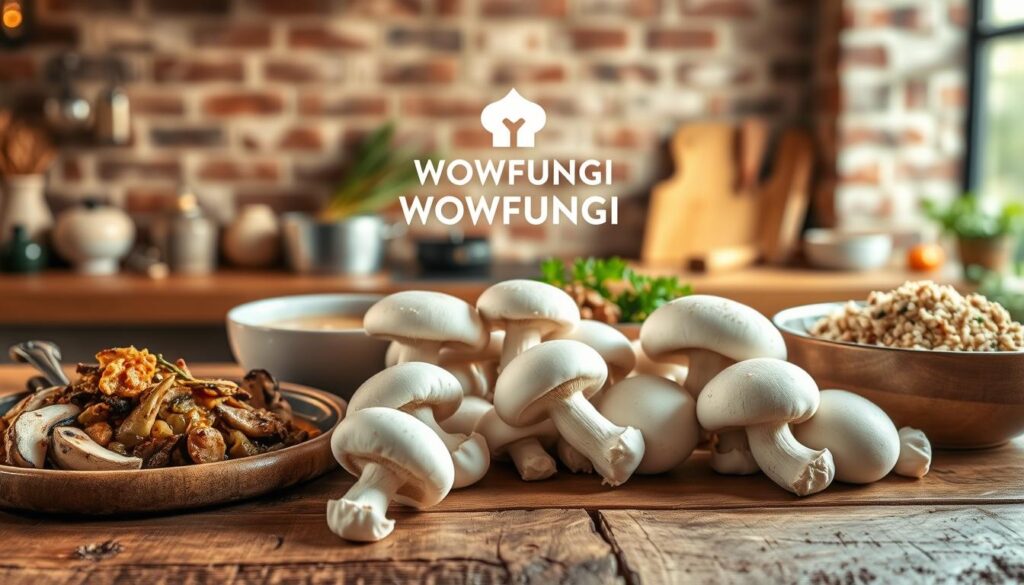
Experimenting with different cooking techniques can help you find your favorite way to enjoy Agaricus Bisporus. Whether you’re making a hearty stew or a simple salad, this mushroom is sure to add depth and complexity to your dishes.
Health Benefits of Agaricus Bisporus
With its rich nutritional profile, Agaricus Bisporus offers several health advantages, including boosting immunity and supporting heart health. This mushroom species is not only a culinary delight but also a powerhouse of nutrients that can enhance overall well-being.
Boosting Immunity
Agaricus Bisporus contains compounds that have been shown to enhance immune function. Beta-glucans, in particular, are known for their ability to stimulate the immune system, helping the body to fight off infections more effectively.
- Stimulates immune cell activity
- Enhances the body’s natural defense mechanisms
- Supports overall health and well-being
Potential Cancer-Fighting Properties
Research has indicated that Agaricus Bisporus may possess anti-cancer properties. The mushroom contains various bioactive compounds that have been shown to inhibit the growth of cancer cells and induce apoptosis (cell death).
A study published in the Journal of Nutrition highlighted the potential of Agaricus Bisporus extracts to suppress tumor growth, suggesting its potential as a complementary therapy in cancer treatment.
Support for Heart Health
Agaricus Bisporus is also beneficial for heart health due to its high content of antioxidants and fiber. Antioxidants help to reduce oxidative stress, while dietary fiber can help lower cholesterol levels, both of which are factors in maintaining a healthy cardiovascular system.
| Health Benefit | Description | Key Compounds Involved |
|---|---|---|
| Boosting Immunity | Enhances immune function and natural defense mechanisms | Beta-glucans |
| Cancer-Fighting Properties | Inhibits cancer cell growth and induces apoptosis | Bioactive compounds |
| Heart Health Support | Reduces oxidative stress and lowers cholesterol levels | Antioxidants, Dietary Fiber |
Incorporating Agaricus Bisporus into your diet can be a simple and effective way to reap its health benefits. Whether sautéed, grilled, or added to soups, this versatile mushroom can enhance both the flavor and nutritional value of your meals.
How to Choose Fresh Agaricus Bisporus
The key to enjoying Agaricus Bisporus lies in selecting fresh, high-quality mushrooms. Freshness is crucial not only for the best flavor but also for maximizing nutritional benefits and ensuring food safety.
Signs of Freshness
When selecting Agaricus Bisporus, look for mushrooms with firm, smooth caps that are free from blemishes or bruises. The caps should be closed or partially closed around the stem, indicating freshness.
Avoid mushrooms with open caps or those that feel slimy to the touch, as these are signs of aging or spoilage.
Storage Tips for Longevity
To keep Agaricus Bisporus fresh for a longer period, store them in a cool, dry place, away from direct sunlight. It’s best to store them in a paper bag or wrap them in a paper towel to maintain humidity and prevent moisture buildup.
For extended storage, you can refrigerate Agaricus Bisporus. Place them in a container covered with a damp cloth to keep them moist. It’s recommended to use them within a few days of purchase for the best flavor and texture.
Growing Your Own Agaricus Bisporus
Growing your own Agaricus Bisporus mushrooms can be a fun and fulfilling hobby. With the right substrate and environmental conditions, anyone can cultivate these delicious mushrooms at home.
Cultivation Methods for Beginners
For beginners, the process of growing Agaricus Bisporus involves several key steps. First, you’ll need to prepare a compost substrate, which typically consists of a mixture of straw, manure, and other organic materials. Compost quality is crucial for healthy mushroom growth.
- Start by pasteurizing the compost to eliminate any pests or contaminants.
- Inoculate the compost with Agaricus Bisporus spawn.
- Maintain the substrate at the right temperature and humidity levels.
Ideal Conditions for Growth
Agaricus Bisporus requires specific conditions to thrive. Temperature control is vital; the ideal range is between 55°F to 60°F (13°C to 15°C). High humidity, typically above 80%, is also necessary to support fruiting body development.
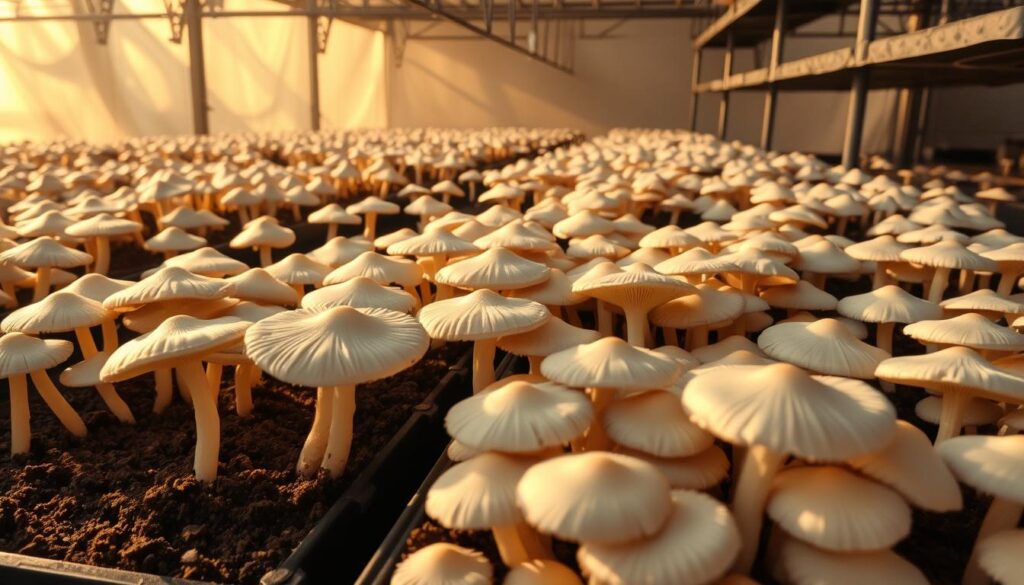
To ensure optimal growth, it’s essential to monitor and maintain these conditions. Proper ventilation is also crucial to prevent the buildup of CO2, which can inhibit mushroom growth.
Agaricus Bisporus and Sustainability
Agaricus Bisporus, a widely consumed culinary fungi, has a cultivation process that affects the environment in various ways. As the demand for this mushroom continues to grow, understanding its environmental impact becomes increasingly important.
Environmental Impact of Mushroom Farming
The cultivation of Agaricus Bisporus involves using substrates, often waste organic materials, which can be beneficial. However, the process also consumes significant amounts of water and energy. Moreover, the disposal of spent mushroom substrate can pose environmental challenges if not managed properly.
To mitigate these impacts, the industry is shifting towards more sustainable practices. This includes using renewable energy sources, implementing water-saving technologies, and developing recycling programs for spent substrates.
Sustainable Practices in Cultivation
Sustainable mushroom farming involves adopting practices that minimize environmental harm. One approach is using agricultural waste as substrates, reducing the need for landfill space and creating a valuable product from waste.
Additionally, some farms are implementing closed-loop systems where spent substrates are composted and used as fertilizers, reducing waste and the environmental footprint of the cultivation process.
By embracing sustainable practices, the Agaricus Bisporus industry can reduce its environmental impact while continuing to meet the growing demand for this popular culinary fungi.
Agaricus Bisporus vs. Other Mushrooms
Agaricus Bisporus, commonly known as the white button mushroom, is a staple in many cuisines, but how does it compare to other mushrooms? This comparison is crucial for understanding the unique qualities of Agaricus Bisporus and making informed choices about mushroom consumption.
Comparing Flavor Profiles
The flavor profile of Agaricus Bisporus is often described as mild and versatile, making it a favorite among chefs and home cooks alike. In contrast, other popular mushroom varieties have distinct flavor profiles. For instance, shiitake mushrooms are known for their rich, earthy flavor, while oyster mushrooms have a delicate, sweet taste.
| Mushroom Variety | Flavor Profile |
|---|---|
| Agaricus Bisporus | Mild, Versatile |
| Shiitake | Rich, Earthy |
| Oyster Mushrooms | Delicate, Sweet |
As shown in the table, Agaricus Bisporus stands out for its mild flavor, which is a significant advantage in culinary applications where a subtle mushroom taste is desired.
Nutritional Differences with Other Varieties
Nutritionally, Agaricus Bisporus is comparable to other mushroom varieties in many aspects but also has some unique attributes. It is an excellent source of dietary fiber, vitamins, and minerals. A comparison with other mushrooms reveals that while they share some nutritional benefits, there are differences in their vitamin and mineral content.
| Nutritional Aspect | Agaricus Bisporus | Shiitake | Oyster Mushrooms |
|---|---|---|---|
| Protein Content | High | High | Moderate |
| Vitamin D | Rich | Rich | Moderate |
| Antioxidant Level | Moderate | High | High |
According to nutritional experts, “Mushrooms, including Agaricus Bisporus, are a nutritional powerhouse, offering a range of vitamins, minerals, and antioxidants.” The table highlights that while Agaricus Bisporus is nutritious, other varieties like shiitake and oyster mushrooms have their own nutritional strengths, particularly in terms of antioxidant levels.
In conclusion, Agaricus Bisporus offers a unique combination of mild flavor and high nutritional value, making it a valuable addition to a variety of dishes. While other mushroom varieties have their own strengths, Agaricus Bisporus remains a popular choice for its versatility and health benefits.
Common Myths About Agaricus Bisporus
Despite its popularity, Agaricus Bisporus is shrouded in misconceptions that need to be addressed to appreciate its true nutritional benefits. This widely consumed mushroom has been a staple in many cuisines, but various myths surround its value and uses.
Debunking Misconceptions
One common myth is that mushrooms, including Agaricus Bisporus, are not nutritious. However, this mushroom is a good source of essential nutrients like vitamins, minerals, and antioxidants. It’s rich in vitamin D, copper, and selenium, making it a valuable addition to a healthy diet.
Another misconception is that Agaricus Bisporus is not versatile in cooking. On the contrary, it can be used in a variety of dishes, from soups to salads, and as a topping for pizzas. Its mild flavor makes it a favorite among chefs and home cooks alike.
Facts Everyone Should Know
Agaricus Bisporus is not just a culinary delight; it’s also backed by science for its health benefits. It contains beta-glucans, which are known to boost the immune system. Additionally, its antioxidant properties help in fighting off free radicals, potentially reducing the risk of chronic diseases.
For those looking to incorporate Agaricus Bisporus into their diet, it’s essential to know that it’s relatively low in calories and high in fiber, making it a nutritious choice for those watching their weight or managing blood sugar levels.
In conclusion, Agaricus Bisporus is a nutritious and versatile mushroom that deserves to be appreciated for its true value. By debunking common myths and understanding its nutritional benefits, we can make informed choices about including it in our diets.
Incorporating Agaricus Bisporus into Your Diet
With its rich flavor and numerous health benefits, Agaricus Bisporus is a great addition to any meal. This versatile mushroom can be used in a variety of dishes, from simple salads to complex sauces. Its adaptability makes it an ideal ingredient for both novice cooks and seasoned chefs.
Easy Recipe Ideas
Agaricus Bisporus can be the star of many simple yet delicious recipes. Try adding sliced Agaricus Bisporus to your favorite breakfast omelette or brunch skillet. For a quick and easy lunch, top a bed of greens with sautéed Agaricus Bisporus, cherry tomatoes, and a light vinaigrette.
For dinner, consider a hearty Agaricus Bisporus risotto or a flavorful mushroom stir-fry with your favorite vegetables. The key to bringing out the best in Agaricus Bisporus is to cook it with a bit of oil or butter, allowing its natural flavors to shine.
Meal Prep with Agaricus Bisporus
Agaricus Bisporus is also an excellent choice for meal prep. Its meaty texture holds up well to refrigeration and reheating, making it perfect for planning meals ahead. Consider preparing a large batch of sautéed Agaricus Bisporus on the weekend and using it throughout the week in various dishes.
| Meal Prep Idea | Description | Reheating Tip |
|---|---|---|
| Agaricus Bisporus Salad Jars | Layer greens, sautéed Agaricus Bisporus, and your favorite vegetables in a jar. | Reheat the mushroom mixture before assembling. |
| Mushroom and Rice Bowls | Top a bed of rice with sautéed Agaricus Bisporus, roasted vegetables, and a drizzle of your favorite sauce. | Reheat the rice and mushroom mixture together for a quick meal. |
| Agaricus Bisporus Wraps | Fill whole grain wraps with sautéed Agaricus Bisporus, mixed greens, and your favorite fillings. | Reheat the filling before assembling the wrap. |
By incorporating Agaricus Bisporus into your meal prep routine, you can enjoy healthy, delicious meals with minimal effort. Experiment with different recipes and find your favorite ways to use this nutritious mushroom.
Conclusion: Embrace the Power of Agaricus Bisporus
Agaricus Bisporus is a nutritious and versatile mushroom that offers numerous health benefits and culinary possibilities. Its rich nutritional profile, including vitamins, minerals, and antioxidants, makes it an excellent addition to a balanced diet.
Nutritional and Culinary Benefits
This mushroom species is not only a good source of dietary fiber but also provides a range of essential nutrients. Its culinary versatility allows it to be used in various dishes, from simple salads to complex sauces.
Exploring New Recipes
By incorporating Agaricus Bisporus into your diet, you can enhance your meals with its unique flavor and texture. Experimenting with different cooking techniques and recipes can help you discover new favorite dishes. Whether you’re a seasoned chef or a beginner in the kitchen, Agaricus Bisporus is a great ingredient to work with.
Embracing Agaricus Bisporus means embracing a healthier and more flavorful approach to cooking. So, start exploring the world of this incredible mushroom and enjoy the benefits it has to offer.
 Previous Post
 Next Post